A short history of Lackawaxen and the Upper Delaware
By Hans & Natalia · Updated November 2026
- Before 1700s
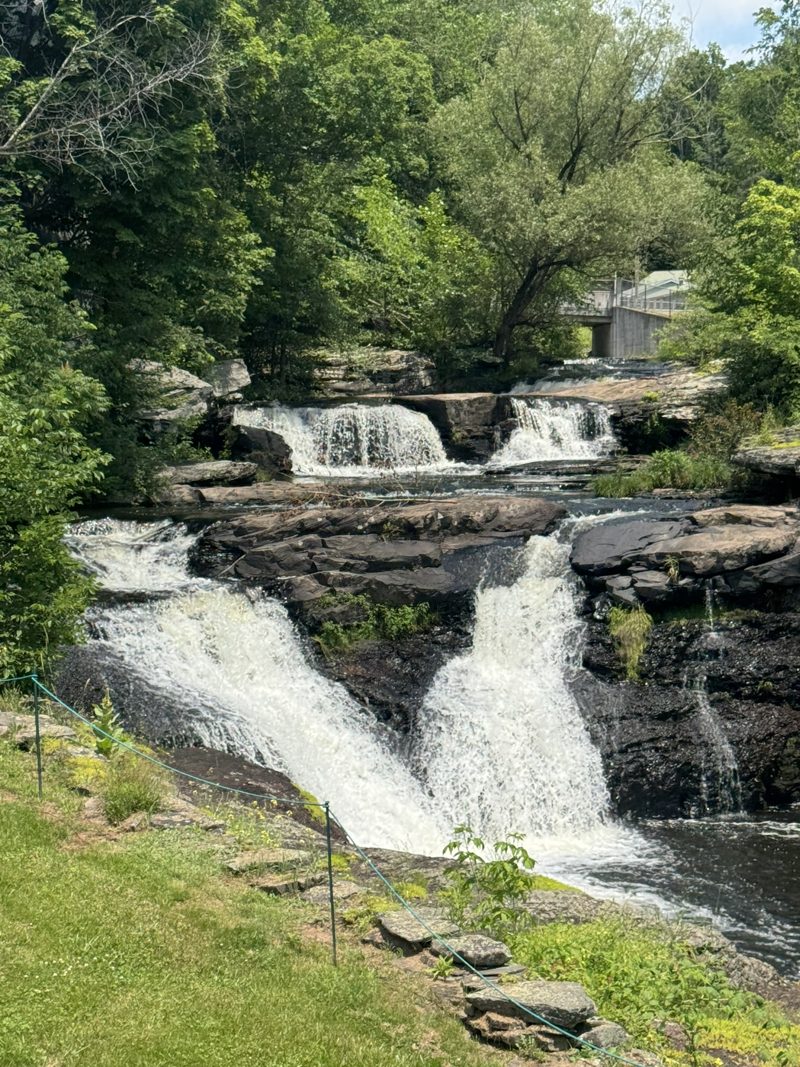
Swift waters
The Lenape, and later the Seneca, used these hills and rivers as hunting grounds. Lackawaxen is a Lenape name meaning “swift waters”, after the river that runs 12 miles through the township.
- 1779
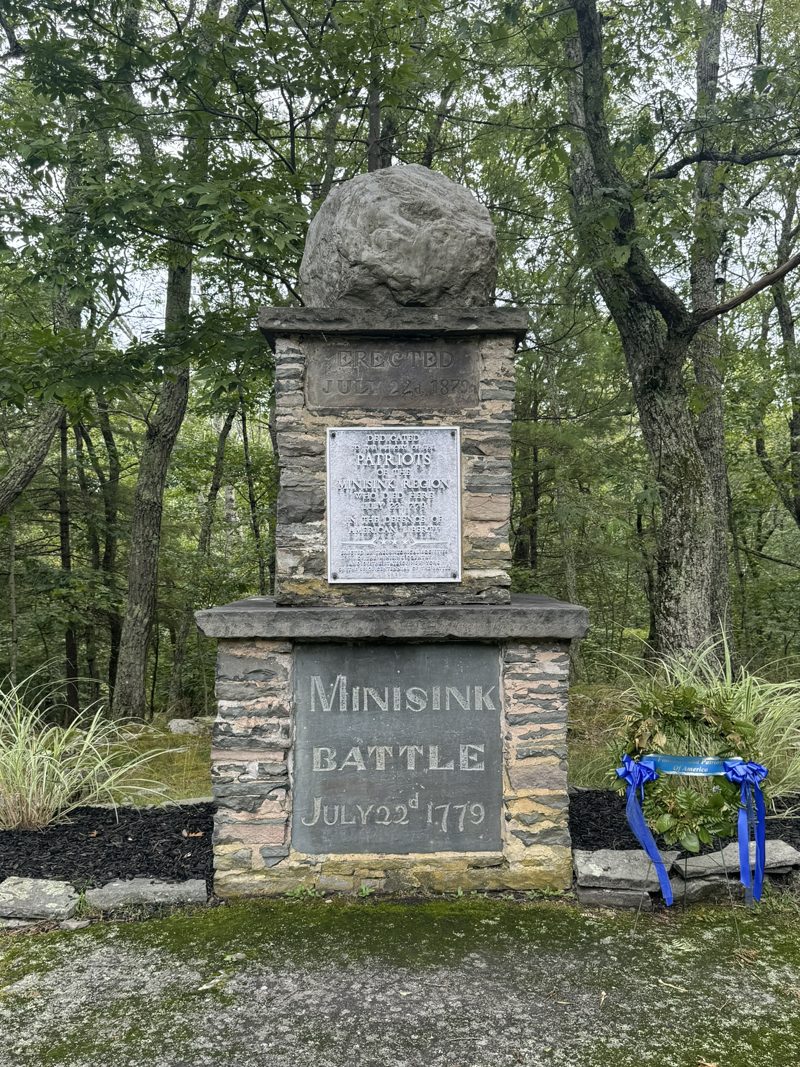
The Battle of Minisink
On July 22, 1779, local militia fought Joseph Brant’s Mohawk and Loyalist raiders on a hilltop just across the river: the only Revolutionary War battle in the Upper Delaware valley. Read more →
- 1798
Lackawaxen Township
The township was formed and took its name from the river. Today it is the largest and northernmost township in Pike County.
- 1828
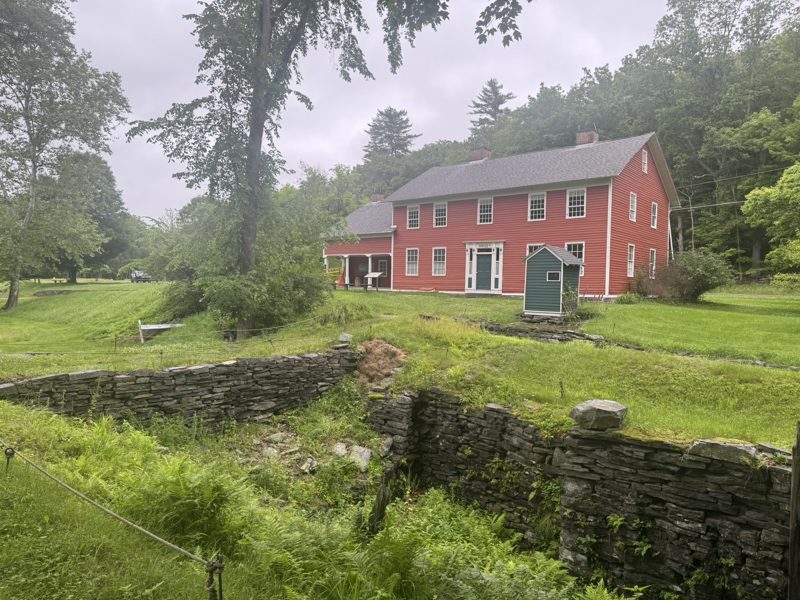
The D&H Canal opens
The Delaware & Hudson Canal, 108 miles and 108 locks, carried anthracite coal from Honesdale to the Hudson River and on to New York City. It ran right through Lackawaxen until 1898. Read more →
- 1829
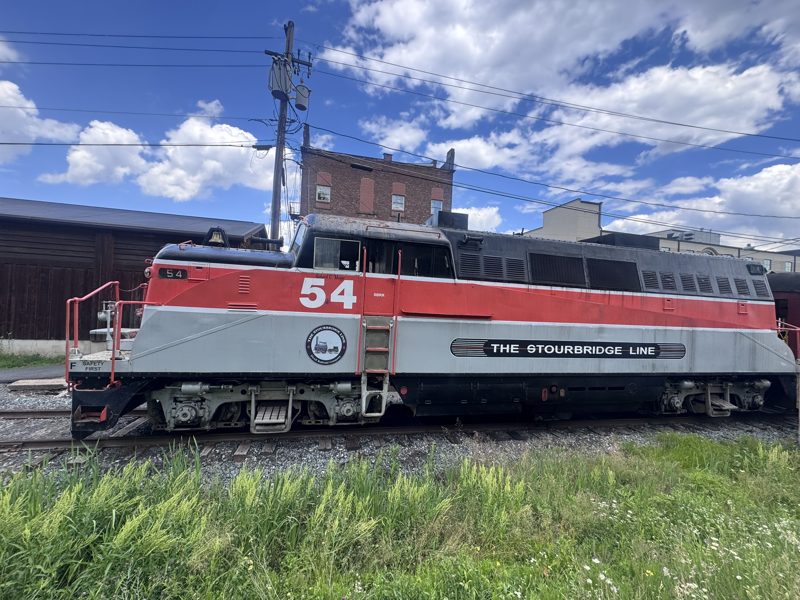
America’s first locomotive run
The Stourbridge Lion, shipped from England to haul coal for the canal company, made its trial run in Honesdale: the first locomotive to run on rails in America. Read more →
- 1847–48
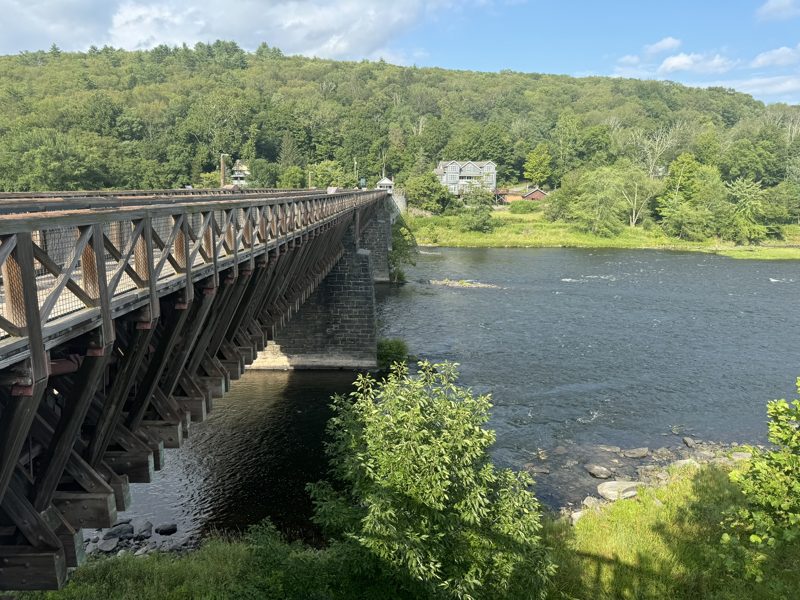
Roebling’s aqueduct
Canal boats used to be ferried across the Delaware at Lackawaxen, a slow bottleneck. John A. Roebling, later the engineer of the Brooklyn Bridge, solved it by carrying the canal over the river. His Delaware Aqueduct is the oldest existing wire suspension bridge in the US. Read more →
- Around 1850
The Erie Railroad
The railroad came up the Delaware valley, and Irish and German workers and settlers with it. From the late 1870s the Erie promoted the valley as a “sportsman’s paradise”, and tourism slowly became the main industry.
- 1800s
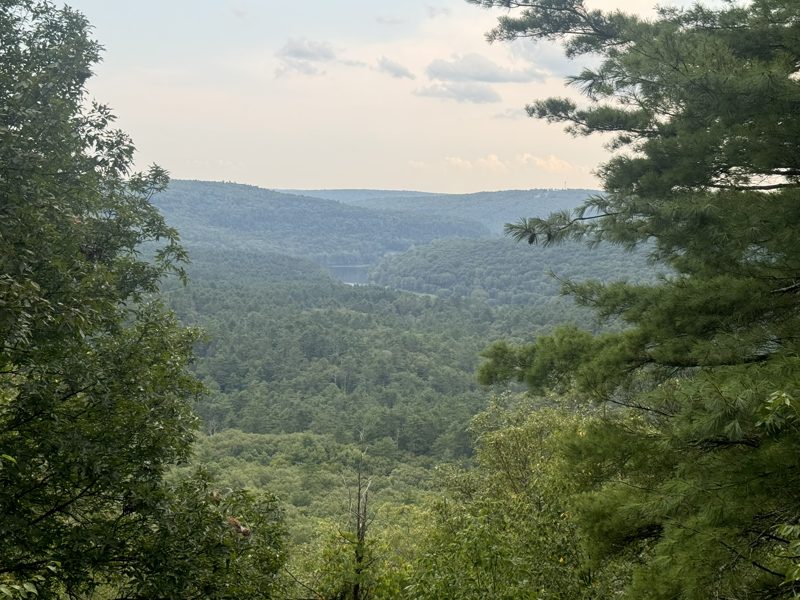
Bluestone
Hand-cut bluestone from these hills was shipped down the canal and paved sidewalks in New York and beyond. You can still find the old quarries on Tusten Mountain. Read more →
- 1886
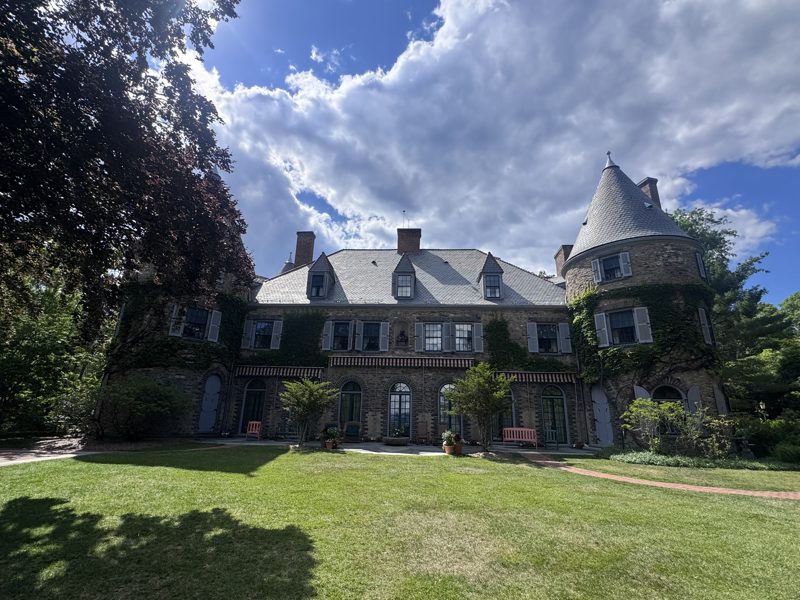
Grey Towers
James Pinchot completed his château in Milford. His son Gifford Pinchot became the first chief of the US Forest Service. Read more →
- 1898
The canal closes
Railroads won. The D&H Canal shut down, and much of it was drained and filled. Stretches survive near Hawley and along the Delaware.
- 1905–1918
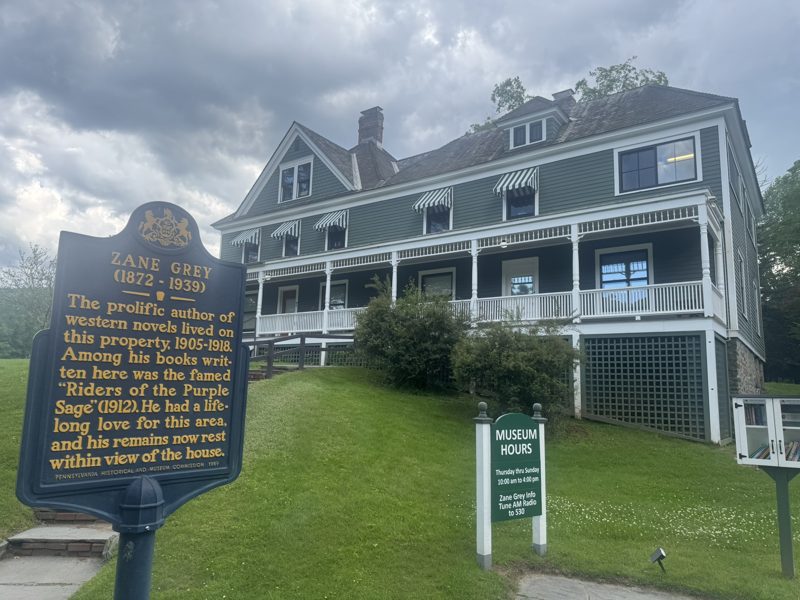
Zane Grey in Lackawaxen
The “father of the Western novel” lived and wrote here, including Riders of the Purple Sage (1912). He met his wife Dolly while canoeing on the Delaware near Lackawaxen, and both are buried in the village. Read more →
- 1920s
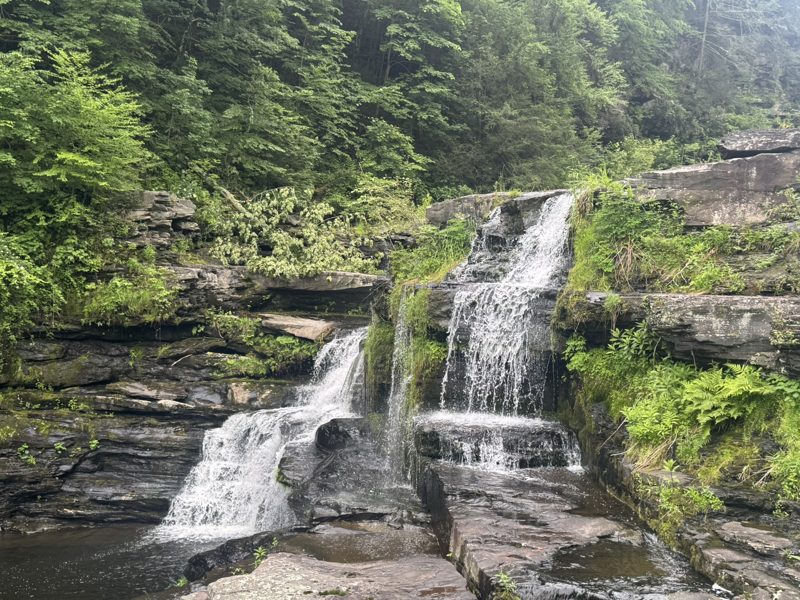
Lake Wallenpaupack
Wallenpaupack Creek was dammed for a hydroelectric plant, creating the big lake near Hawley. Read more →
- 1974–76
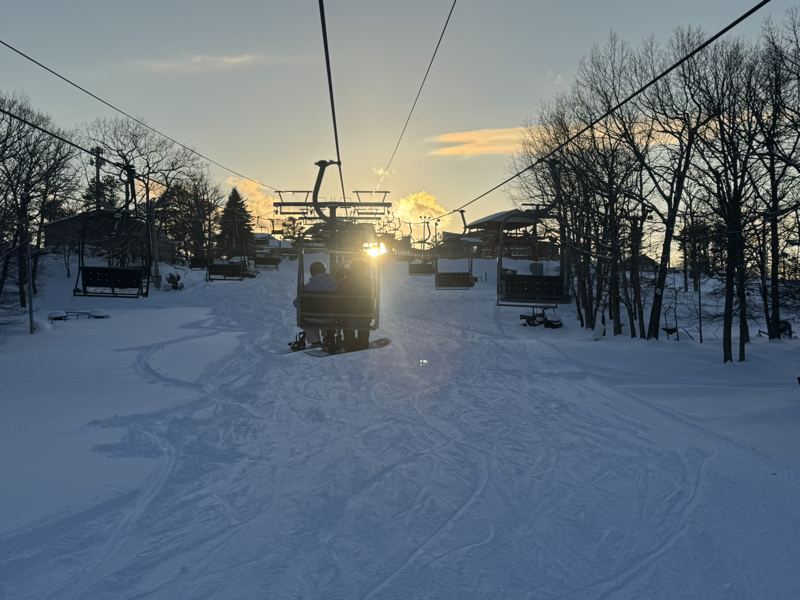
Masthope is born
Karl Hope filed the covenants for Masthope Rapids in 1974, and the Masthope Mountain ski area opened in 1976 with a 650-foot vertical drop. Today it is Ski Big Bear, run inside the community. Read more →
- 1978
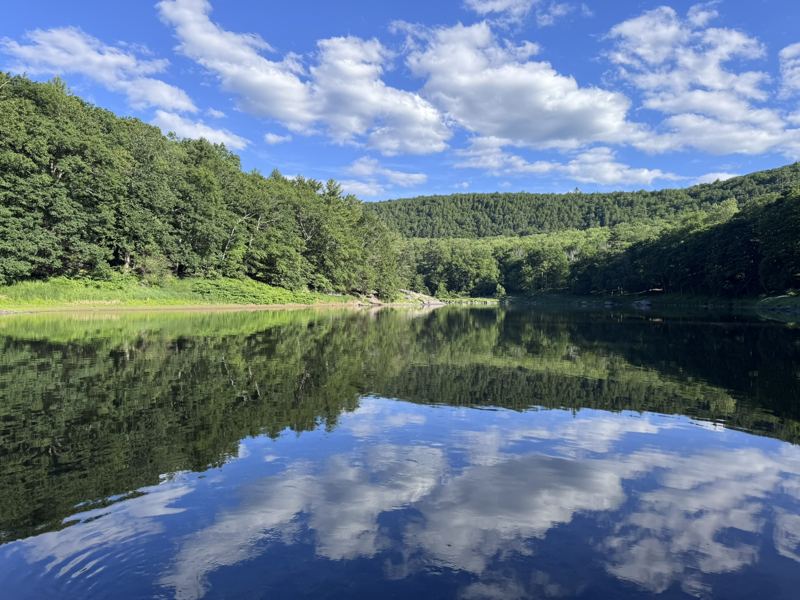
A protected river
On November 10, 1978, Congress made 73.4 miles of the Upper Delaware a National Scenic and Recreational River, managed by the National Park Service together with local towns.
- Today
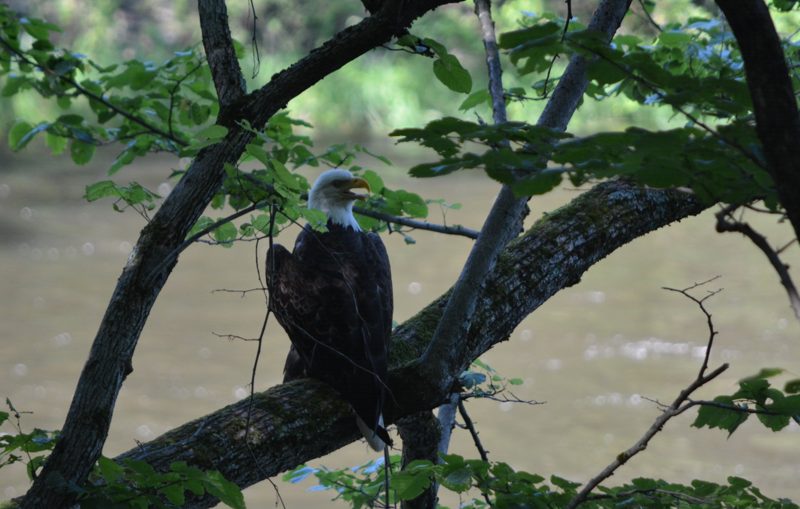
The eagles are back
By the 1960s eagles had nearly vanished from the Delaware. Now more than 100 spend the winter here, and pairs nest along the river all year. Read more →
Where can you see this history today?
- Roebling’s Delaware Aqueduct and its toll house, in Lackawaxen
- The Zane Grey Museum, run by the National Park Service
- The Lock 31 Canal Walk near Hawley, and the D&H Canal Park at Lackawaxen
- Minisink Battleground Park across the river in New York
- The Old Stone Jail and the Wayne County Historical Society museum in Honesdale
- Grey Towers in Milford
Sources: NPS: History of the Upper Delaware · NPS: D&H Canal · NPS: Roebling Bridge · NPS: Zane Grey House · NPS: Upper Delaware designation · Lackawaxen Township · Masthope Mountain Community
Questions we get
What does Lackawaxen mean?
It is a Lenape name usually translated as “swift waters”, after the Lackawaxen River, which meets the Delaware in Lackawaxen village.
What is Roebling’s Delaware Aqueduct?
A bridge built in 1847–48 by John A. Roebling, later the engineer of the Brooklyn Bridge, to carry the D&H Canal over the Delaware at Lackawaxen. It is the oldest existing wire suspension bridge in the US and now carries cars.
Did Zane Grey live in Lackawaxen?
Yes, from 1905 to 1918. He wrote Riders of the Purple Sage there. His house is now the Zane Grey Museum, and he and his wife Dolly are buried in Lackawaxen.
When was Masthope built?
Masthope Mountain Community was developed from 1974, and its ski area, today Ski Big Bear, opened in 1976.